AI Terms Explained SeriesElena Daehnhardt |

Image credit: Illustration created with Midjourney, prompt by the author.
Image prompt“An illustration representing cloud computing” |
AI Terms Explained
AI headlines are full of words nobody defines for you: parameters, tokens, quantization, open-weight, context window. This series translates them, one everyday analogy at a time, starting from absolute basics and working up to the vocabulary you’ll find in a real model release.
What You’ll Learn
- Part 1: The Building Blocks — model, parameters, training, inference, tokens, and prompts
- Part 2: How AI Models Learn — training data, fine-tuning, overfitting, and RLHF
- Part 3: Key Machine Learning Concepts — the maths and algorithms under the hood, for readers who want to go a level deeper
- Part 4: Key Concepts in AI — neural networks, attention, transformers, and modern LLMs
- Part 5: Shrinking Giant Models — quantization, GGUF, MXFP4, RMSNorm, and precision
- Part 6: Reading a Model Release — open-weight, SOTA, native vision, and context windows, decoded from a real release
- Part 7: The AI Terms Cheat Sheet — every term from the series in one quick-reference glossary
Series Progress
1 of 8 posts published
All Posts in This Series
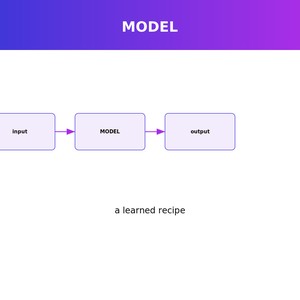
Part 1: AI Terms 101: The Building BlocksComing SoonWhat is a 'model', a 'parameter', or a 'token', really? Part one of a new series translates the words you keep seeing in AI headlines into plain English, one everyday analogy at a time. This post is currently being written and will be published soon. |
|
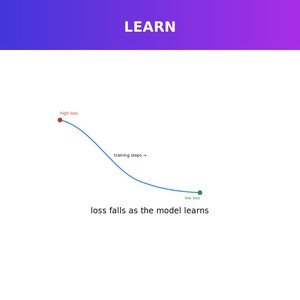
Part 2: How AI Models Learn: Training Data, Fine-Tuning & Why Models Get Things WrongTraining data, epochs, overfitting, fine-tuning, RLHF: the words behind how a model goes from blank slate to (hopefully) useful assistant, explained without the maths. |
|
Part 2: How AI Models Learn: Training Data, Fine-Tuning & Why Models Get Things WrongComing SoonTraining data, epochs, overfitting, fine-tuning, RLHF: the words behind how a model goes from blank slate to (hopefully) useful assistant, explained without the maths. This post is currently being written and will be published soon. |
|
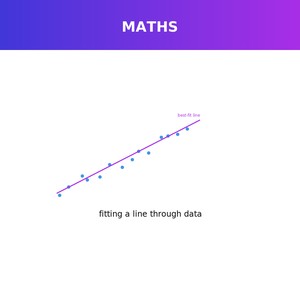
Part 3: Key machine learning conceptsComing SoonA practical machine-learning concepts guide with maths intuition and implementation-focused checks to avoid common modelling errors. This post is currently being written and will be published soon. |
|
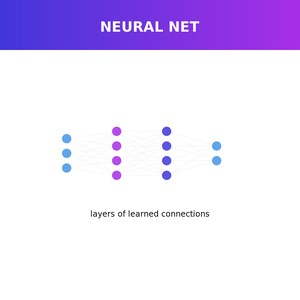
Part 4: Key Concepts in AI: A Comprehensive Guide to Artificial Intelligence FundamentalsComing SoonA practical AI fundamentals guide connecting key concepts to implementation choices and real engineering tradeoffs. This post is currently being written and will be published soon. |
|
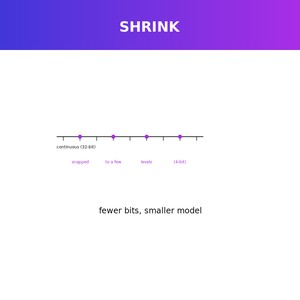
Part 5: Shrinking Giant Models: Quantization, GGUF & Precision ExplainedComing SoonQuantization, GGUF, MXFP4, RMSNorm, full-precision inference, lossless — the vocabulary of making trillion-parameter models small enough to actually run, explained with everyday comparisons. This post is currently being written and will be published soon. |
|
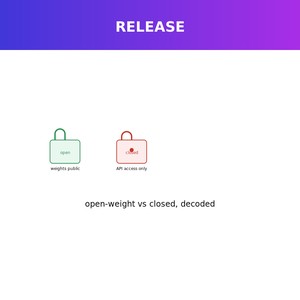
Part 6: Reading a Model Release: Decoding Release-Day JargonComing SoonOpen-weight vs closed, SOTA, activated parameters, native vision, 1M-token context windows — using a real release (Kimi K3) to translate an entire model announcement into plain English. This post is currently being written and will be published soon. |
|
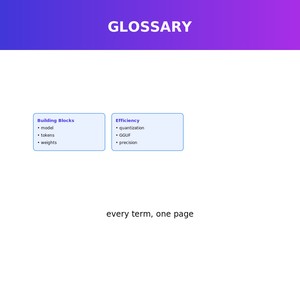
Part 7: The AI Terms Cheat Sheet: Your Quick-Reference GlossaryComing SoonEvery term from this series in one scannable reference: model, parameters, tokens, quantization, open-weight, context window and more, in plain English, in one place. This post is currently being written and will be published soon. |
|
Getting Started
New to this series? Start with Part 2: How AI Models Learn: Training Data, Fine-Tuning & Why Models Get Things Wrong.
Each post builds on the previous one, so reading them in order is recommended. Each post also works on its own if you need to jump to a specific topic.
Who Is This Series For?
This series is for anyone who reads AI news and quietly wonders what half the words mean — no machine learning background required for the earlier parts. Later parts get more technical, but I flag that clearly as we go, so you can stop wherever the depth suits you.
Series Philosophy
- Analogies over algebra. Every hard idea gets a physical comparison before anything else.
- Beginner to advanced, honestly labelled. Parts 1 and 2 assume nothing. Parts 5 and 6 assume you’ve read the earlier ones.
- Grounded in real releases. Where possible, terms are illustrated with an actual model announcement, not a made-up example.