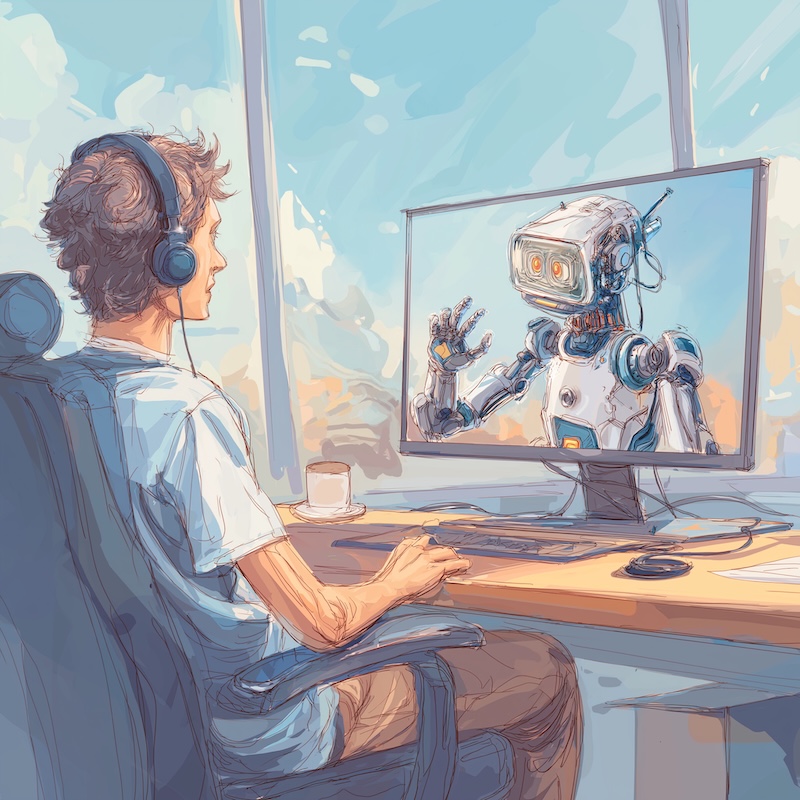
AI’s Week — Honesty, Agents, and the Fight for Truth
Some weeks, the news feels noisy. Other weeks, it hums quietly — as if something subtle but irreversible has shifted. This was one of those weeks.
California told AI to be honest.
Microsoft turned our computers into companions.
And European publishers stood up for truth itself.
None of these stories is flashy on its own, but together they sketch the outline of how we’ll live with AI — and how AI will live with us.
Weekly AI Signals: Key Takeaways
| Signal | Industry Impact | Builder Action |
|---|---|---|
| California AI Honesty Law | Mandates transparency and mental-health safeguards for AI bots, establishing a legal precedent for transparency by design. | Build explicit AI disclosures into chat interfaces and handle user distress signals programmatically. |
| Windows Copilot Integration | OS-level agentic integration crosses the app boundary, turning the operating system into an active collaborator. | Prepare software for users expecting voice-activated, cross-application workflows natively supported by the OS. |
| Publishers vs. AI Overviews | Pushback against zero-click AI summaries disrupting publisher traffic forces a reevaluation of copyright and fair use. | Ensure your LLM agents properly attribute and explicitly link out to original sources to maintain information integrity. |
California AI Transparency Law: Chatbot Disclosure and Mental-Health Safeguard Requirements
The California AI transparency law is state legislation that requires chatbots and AI companions to disclose when they’re AI—no more pretending to be human. The law also introduces mental-health safeguards, requiring reporting and response mechanisms when users express distress.
👉 The Verge coverage · Official bill text — SB 243
The California AI transparency law is the first big step toward transparency by design: a regulatory category that mandates disclosure as a default product requirement rather than an optional disclaimer. AI is becoming part of how we talk, learn, and seek help — so this law quietly reshapes trust.
When a chatbot is honest about being AI, it’s not just ethical; it’s "humanising".
Windows 11 Copilot Integration: OS-Level AI Agent Features
Windows Copilot is Microsoft’s AI assistant, now integrated at the operating-system level in Windows 11 — it listens when you say “Hey Copilot,” watches what’s on your screen (with permission), and can take actions like booking, ordering, or summarising.
👉 Reuters article · Microsoft — Copilot on Windows 11
OS-level Copilot integration is where AI stops being “an app” and becomes part of the operating system itself. Everyone — not just developers — now gets a built-in agent that can work across tools.
Windows Copilot is a powerful meeting convenience, and that mix will change daily computing for good.
But it also raises a quiet question: "How much do we want our OS to know about us?"
Google AI Overviews vs. Publishers: Zero-Click Search and Journalism Impact
Google AI Overviews is a search feature that displays AI-generated summaries above organic search results. Italian news groups are pushing back against AI Overviews, arguing that the feature drains traffic from original sources and undermines journalism itself.
The AI Overviews dispute is a modern echo of the early internet debates: who owns information?
When AI becomes the storyteller, it risks erasing the humans who wrote the story.
If regulators step in, this could redefine the balance between AI convenience and information integrity.
Weekly AI Policy Trends: Transparency, OS Agents, and Publisher Rights
The California AI transparency law, Windows Copilot’s OS integration, and the Google AI Overviews dispute together represent a single policy category: society setting boundaries on AI truth, agency, and authorship before the underlying technology outpaces regulation.
We’re setting quiet boundaries — about truth, agency, and authorship — before the noise gets too loud.
Next week might bring something louder: new model launches, faster chips, or maybe a glimpse of what happens when science and conscience start to code together.
Until then, let’s keep our curiosity gentle, our code clean, and cite AI usage to be transparent too :)
Stay Ahead in AI, Machine Learning & Python
No hype. Weekly notes on AI tools, Python, and what I'm actually building — plus seven free gifts, including Fantastic AI: The 2026 Toolkit and Git Commands and Contribution Workflow Cheatsheet.
You're in
Check your inbox for Set a password to unlock articles if you want gated tutorials. Log in with the same email.