AI Image Generation in PracticeElena Daehnhardt |
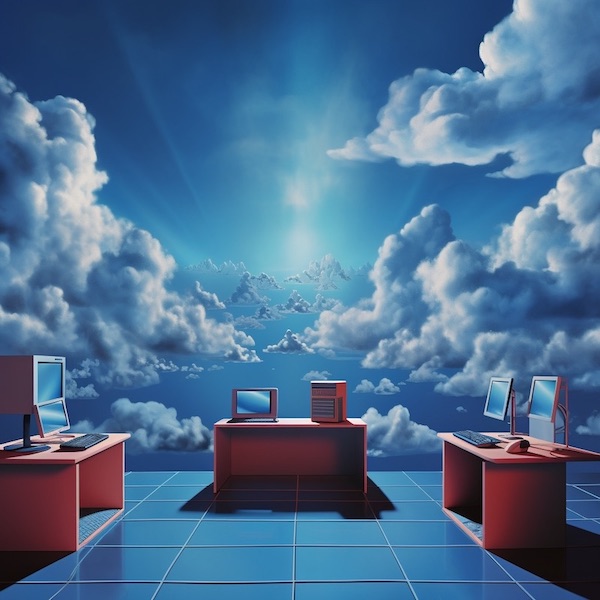
Image credit: Illustration created with Midjourney, prompt by the author.
Image prompt“An illustration representing cloud computing” |
AI Image Generation in Practice
This series moves from fundamentals and prompt craft to model workflows, scaling, and production use cases like print-on-demand.
Series Progress
4 of 10 posts published
All Posts in This Series
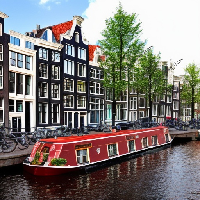
Part 1: From Dutch Golden Age to AI Art: A Journey with Vermeer and AIIn this post, I collaborated with ChatGPT to explore the captivating World of Dutch art and Johannes Vermeer. As an art critic and historian, ChatGPT provides fascinating insights into Vermeer's masterpieces and the historical events that influenced them. I also share my emotional experience of visiting a Vermeer art exhibition, and we'll have some fun creating AI art with Jasper.ai, DALL-E, Stable Diffusion Playground and Midjourney bot. Take advantage of my tips for refining ChatGPT's output and the prompts I used to get the best results. Join me on this adventure and discover the beauty of Dutch art and AI-art outcomes! |
|
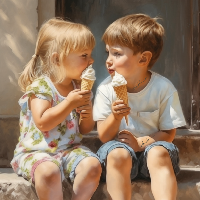
Part 2: Mastering Midjourney Prompts for Stunning ImagesIn this post, I write about creating stunning designs in Midjourney. We create AI-generated designs for an ice cream cafe. In the end, I list all prompts and handy keywords to take away for your fantastic own creations. |
|
Part 3: Midjourney Video Prompts: A Practical WorkflowComing SoonA practical Midjourney workflow for creating short video-ready sequences: prompt structure, weighting, consistency, and iteration tactics that improve usable outputs. This post is currently being written and will be published soon. |
|
Part 4: Generating Images with StableDiffusion and KerasCV: A Complete GuideComing SoonLearn how to generate stunning images using StableDiffusion models with KerasCV. This comprehensive guide covers installation, setup, and advanced techniques for AI-powered image generation. This post is currently being written and will be published soon. |
|
Part 5: Generate AI Art Free for Commercial UseComing SoonA friendly guide to generating high-quality AI images you can actually sell—covering licenses, tools, and a universal Python script that works on Mac, Windows, and Linux. This post is currently being written and will be published soon. |
|
Part 6: The Missing Manual for FLUX.1: Why Your Prompts Aren't WorkingComing SoonFLUX.1 [schnell] requires a completely different approach than older AI models. Learn why your old prompting techniques produce bad results—and how to fix them. This post is currently being written and will be published soon. |
|
Part 7: Solving the Great Apple Silicon Memory Mystery: How to Generate AI Art in Bulk Without CrashesComing SoonWhen generating multiple AI images crashes your Mac, the problem isn't your code—it's memory that refuses to let go. Here's how I solved it with process isolation and smart memory tricks. This post is currently being written and will be published soon. |
|
Part 8: Creating T-Shirt Designs with FLUX.1 for Print-on-DemandComing SoonLearn how to use FLUX.1 to create professional t-shirt designs for print-on-demand platforms, including image processing, resolution requirements, and platform selection. This post is currently being written and will be published soon. |
|
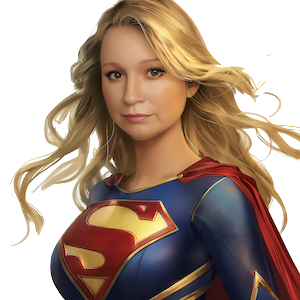
Part 9: Super-girls don't cry in face-swapsI wanted to see myself flying over Niagara Falls as a superhero. Here is how I did it — InsightFace Bot, Midjourney, and a Python/OpenCV implementation with Haar cascades and seamless blending. |
|
Part 10: Cool Wallpaper with QR code for iPhoneWhen my iPhone is locked, I can share my website address with a QR code. How to use reportlab and Python to generate a QR code for the iPhone wallpaper? |

|
Getting Started
New to this series? Start with Part 1: From Dutch Golden Age to AI Art: A Journey with Vermeer and AI.
Each post builds on the previous one, so reading them in order is recommended. Each post also works on its own if you need to jump to a specific topic.