Elena' s AI Blog

AI automation means using smart computer programs to do tasks automatically without human help. It saves time by handling things like answering questions or sorting information on its own.


  Browse by topic  · Browse by tag

Other Tags

Production Hardening: Idempotency, Run Isolation, and Crash Safety


LangGraph replays a node from the start every time it resumes after an interrupt, so a `finalized` flag alone cannot stop a side effect from firing twice. Here's how stable run identity, atomic file writes, and operation-level idempotency keys turn a crash into a tested recovery path instead of a corrupted report. Read more...

Connecting Codex CLI, Cursor, and Antigravity via MCP


I was maintaining three separate integrations — one each for Codex CLI, Cursor, and Antigravity — until I moved them all behind a single shared MCP server. Here's how one LangGraph orchestrator now serves every client without duplicating approval, file-writing, or retry logic. Read more...

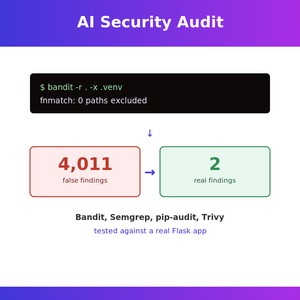
I Asked AI to Audit My Flask App. First, I Had to Audit the AI


I built four reusable AI skills to audit Flask applications. Their first real run found two flaws in their own scanning instructions — and two genuine vulnerabilities in my app. Read more...

Agents, Access, and the Confused Deputy Problem


Running a local AI is private. Giving it the ability to take actions introduces a different class of risk. This post explains prompt injection, the confused deputy problem, and the practical mitigations that hold up in 2026 — with macOS and M1 specifics where relevant. Read more...

I used Claude to generate Pinterest pins. Here is the actual API cost.


I built a Python script that reads a Jekyll blog post, calls the Claude API to generate an SEO-optimised Pinterest pin title, description, and hashtags, then uploads the result to Pinterest. Before running it on all my posts I wanted to know exactly how many tokens each call uses and what it costs. The answer is surprisingly cheap — and worth understanding in detail. Read more...

Codex CLI Part 4: Advanced Operations, Troubleshooting, and Team Patterns


Part 4 closes the Codex CLI series with advanced operational patterns: non-interactive automation, permission strategy, troubleshooting playbooks, and team-level standards for reliable adoption. Read more...

Codex CLI Part 3: Practical Workflows for Blogging and Python Development


A practical, high-depth guide to using Codex CLI for blog editing and Python delivery: review loops, safe refactoring, debugging, and non-interactive automation with explicit guardrails. Read more...

Workflow Automation with n8n


Manual content pipelines inevitably fail at scale. After outgrowing brittle Python cron jobs, I migrated my infrastructure to n8n—a self-hosted, node-based orchestration layer. Here is the technical breakdown of configuring databases, managing OAuth2 security, and deploying AI-driven agents. Read more...